Understanding the Differences Between Carbon Steel and Alloy Steel Distributors
The Role of Carbon Steel Distributors in the Industry
Importance of Carbon Steel in Construction and Infrastructure
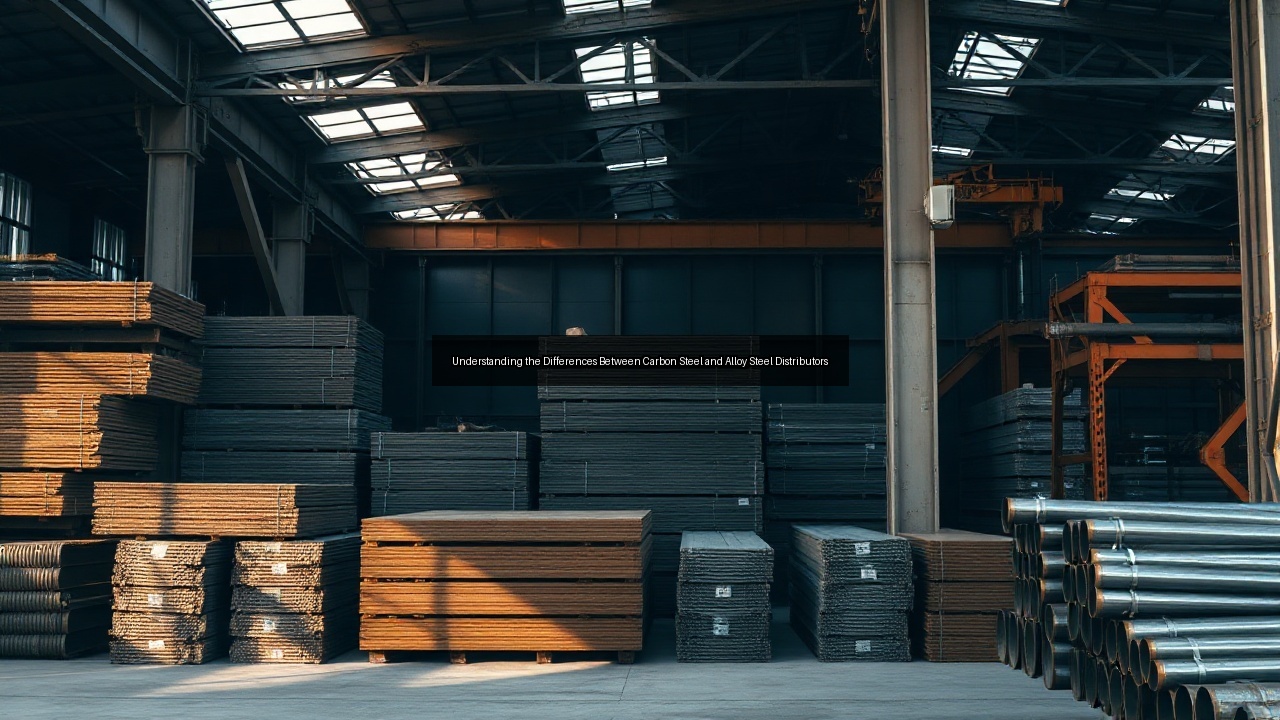
Carbon steel distributors play a direct part in delivering materials that support major construction projects and infrastructure builds. Builders depend on carbon steel for its strength and affordability when erecting bridges, buildings, and pipelines. A reliable carbon steel distributor ensures steady access to these metals, which reduces delays on job sites. Construction teams often specify low carbon steel for frameworks because it welds easily and resists cracking under load. Infrastructure projects such as highways and rail lines require large volumes of sheet and plate products that only established distributors maintain in inventory. Without these suppliers, contractors would face longer lead times and higher costs when sourcing from distant mills. Carbon steel distributors also track market prices and availability, helping project managers plan budgets accurately. Their networks connect fabricators with mills that produce consistent grades suited for demanding environments like seismic zones or coastal areas exposed to weather.
Types of Carbon Steel Products Distributed
Distributors handle a wide range of carbon steel products that meet varied industrial needs. Common offerings include hot-rolled and cold-rolled sheet, structural beams, steel pipe, and welded tubing. Low carbon steel appears frequently in automotive panels and general fabrication because it forms without breaking. Medium carbon steel suits shafts and gears that require better hardness after heat treatment. High carbon steel finds use in cutting tools and springs where wear resistance matters most. A carbon steel distributor stocks these grades in multiple thicknesses and widths to serve both small workshops and large manufacturers. Many also supply alloy steel when customers need enhanced properties such as corrosion resistance or higher tensile strength. Product lines often extend to coated sheets for roofing and galvanized pipe for water systems. Distributors maintain certification records so buyers confirm compliance with ASTM standards before ordering. This variety lets fabricators select the exact material that matches design requirements without mixing suppliers.
The Impact of Distributors on Steel Supply Chains
Carbon steel distributors stabilize supply chains by bridging mills and end users across regions. They maintain warehouses that hold buffer stock during mill outages or transportation strikes. A distributor that distributes carbon steel CA can reroute shipments quickly when demand spikes in construction corridors. National networks coordinate with local yards to shorten delivery times for steel pipe and sheet orders. This coordination lowers inventory costs for manufacturers who no longer store excess material on site. Distributors also provide processing services such as cutting, slitting, and beveling that prepare products for immediate fabrication. Their relationships with mills allow volume purchases that translate into competitive pricing for smaller buyers. When alloy steel demand rises, the same networks shift focus without disrupting carbon steel flow. Overall, these intermediaries reduce lead times from weeks to days and improve material traceability throughout the chain.
Differentiating Carbon Steel and Alloy Steel
What is Carbon Steel?
Carbon steel consists primarily of iron and carbon with limited amounts of other elements. Its properties change mainly with carbon content rather than added alloys. Manufacturers classify it as a base metal that offers good weldability and machinability at lower cost than alloy steel. A carbon steel distributor typically emphasizes these straightforward grades for projects where extreme conditions do not apply. Carbon steel responds predictably to heat treatment, allowing fabricators to adjust hardness through quenching and tempering. It remains the default choice for many structural applications because it meets strength requirements without premium pricing. Buyers appreciate its recyclability and widespread availability from multiple sources. Distributors track carbon levels carefully to match customer specifications for ductility or toughness. This material forms the backbone of everyday steel products from rebar to pressure vessels.
Types of Carbon Steel: Low, Medium, and High Carbon Steel
Low carbon steel contains up to 0.30 percent carbon and serves general fabrication needs with excellent formability. Medium carbon steel ranges from 0.31 to 0.60 percent carbon and balances strength with toughness for automotive and machinery parts. High carbon steel exceeds 0.60 percent carbon and delivers superior hardness for tools and wear plates. Carbon steel distributors separate these categories in their catalogs so customers avoid ordering the wrong grade. Low carbon steel dominates construction because it bends and welds without preheat. Medium carbon steel requires controlled cooling after welding to prevent cracks in welded structures. High carbon steel demands careful handling during processing to avoid brittleness. Distributors provide technical data sheets that list mechanical properties for each type. Fabricators rely on this guidance when selecting material for specific load conditions or service temperatures. Proper grade selection prevents costly rework and extends component life.
Understanding Alloy Steel and Its Applications
Alloy steel incorporates elements such as chromium, nickel, or molybdenum to improve performance beyond standard carbon steel. These additions increase hardenability, corrosion resistance, and strength at elevated temperatures. Alloy steel distributors focus on grades for aerospace, oilfield equipment, and high-pressure valves where carbon steel falls short. A carbon steel distributor may also carry select alloy products to meet overlapping customer requests. Applications range from gears that withstand heavy torque to pipelines exposed to sour gas. Heat treatment unlocks the full potential of alloy steel, producing microstructures that resist fatigue better than plain carbon grades. Buyers pay more for these metals but gain longer service intervals and reduced maintenance. Distributors help engineers compare alloy versus carbon options during material selection. Clear documentation of chemistry and testing ensures compliance with industry codes in critical service.
Key Considerations When Choosing a Carbon Steel Distributor
Factors Influencing Distributor Selection
Companies evaluate several factors before selecting a carbon steel distributor for ongoing supply. Price consistency, delivery reliability, and technical support rank high on the list. Local yards offer faster pickup for urgent orders while national suppliers provide broader inventory. A distributor that distributes carbon steel CA often understands regional regulations and transportation routes better than distant competitors. Buyers also check financial stability to avoid sudden supply interruptions. Certifications such as ISO 9001 signal commitment to quality management. Past performance with similar projects helps predict how well the distributor will handle current needs. Some firms prefer suppliers who offer just-in-time delivery to reduce warehouse space. Others value those who maintain relationships with multiple mills for backup sourcing. These considerations directly affect project timelines and total landed cost.
Evaluating Quality and Range of Products
Quality assessment starts with reviewing mill test reports that accompany each shipment of carbon steel or alloy steel. Distributors should stock low carbon steel, medium carbon steel, and high carbon steel alongside select alloy grades to cover diverse applications. Product range includes sheet, plate, bar, and steel pipe in standard and custom sizes. A strong carbon steel products distributor maintains traceability from melt to final delivery. Inspection capabilities such as ultrasonic testing or hardness verification add confidence for critical parts. Buyers visit facilities to confirm proper storage that prevents rust on exposed metals. Consistent quality reduces scrap rates during fabrication and improves finished product reliability. Distributors who invest in modern processing equipment deliver cut-to-length material that matches tight tolerances. This capability shortens production cycles for manufacturers.
Understanding Distribution Networks: Local vs. National
Local carbon steel distributors excel at rapid response for emergency orders and small-batch purchases. They know area contractors and can advise on common specifications used in regional construction. National networks, however, offer larger stock levels and consistent pricing across multiple states. A national carbon steel supplier may operate distribution centers that serve both coasts and interior markets. Companies with projects spanning several locations benefit from single-source contracts that simplify logistics. Local yards sometimes partner with national organizations to extend reach without losing personal service. Transportation costs rise with distance, so buyers calculate total expense when comparing options. National distributors often provide online portals for order tracking and inventory visibility. Local operations provide face-to-face technical discussions that clarify alloy steel versus carbon steel trade-offs. The best choice depends on order volume, lead time requirements, and geographic spread of operations.
Applications of Carbon Steel in Various Industries
Carbon Steel in Transportation: Steel Pipes and Welded Structures
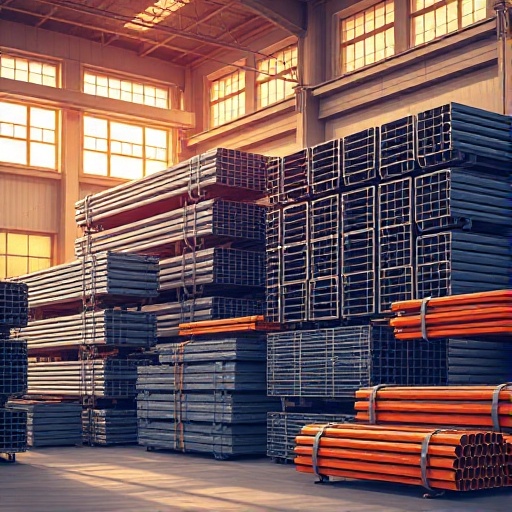
Transportation sectors rely on carbon steel for chassis frames, rail cars, and ship hulls that demand high strength-to-weight ratios. Steel pipe fabricated from carbon grades carries fuel, hydraulic fluid, and exhaust gases in vehicles and aircraft ground support equipment. Welded structures such as trailer beds and container frames use medium carbon steel for its fatigue resistance under repeated loading. Carbon steel distributors supply pipe in schedules suited for pressure ratings common in automotive and marine systems. Welders prefer these grades because they accept standard filler metals without special procedures. High carbon steel appears in brake components and suspension parts that experience abrasive wear. Distributors coordinate with fabricators to deliver material cut to exact lengths that reduce scrap during assembly. Transportation manufacturers value the predictable performance and cost advantage of carbon steel over more exotic alloys in non-critical areas.
The Role of Carbon Steel in Manufacturing and Fabrication
Manufacturing plants use carbon steel sheet for stamping operations that produce enclosures, brackets, and panels. Fabrication shops select low carbon steel for its excellent drawability during forming processes. Medium carbon steel serves as raw stock for machined shafts and hydraulic cylinders that require surface hardness after induction hardening. Carbon steel distributors deliver coil and plate that fabricators slit or plasma-cut to precise shapes. Alloy steel enters the picture when parts must endure higher stresses or corrosive fluids. Welded assemblies such as pressure vessels combine carbon steel shells with alloy steel nozzles for balanced cost and performance. Distributors provide processing services that include drilling, threading, and beveling to accelerate production. Consistent material properties allow manufacturers to maintain tight process controls and minimize variation in finished goods. This reliability supports lean manufacturing goals across multiple sectors.
Comparison of Carbon Steel and Stainless Steel in Different Applications
Carbon steel offers lower initial cost and easier machining than stainless steel, making it the choice for structural frames and general fabrication where corrosion protection comes from coatings. Stainless steel resists rust without additional treatment, suiting food processing equipment and architectural features exposed to weather. A carbon steel distributor may also stock stainless grades when customers request mixed loads. In transportation, carbon steel pipe handles internal fluids while stainless appears in exhaust systems that face high heat and oxidation. Manufacturing applications favor carbon steel for parts later painted or plated, reserving stainless for visible or sanitary surfaces. Welded structures built from carbon steel require careful surface preparation before coating, whereas stainless maintains appearance with minimal upkeep. Alloy steel bridges the gap in strength-critical uses that exceed carbon steel limits yet do not justify full stainless pricing. Distributors guide buyers through these trade-offs by presenting total lifecycle costs rather than upfront material prices alone.