The Future of Power Supplies How Din Rail DC-DC Converters are Revolutionizing Connectivity

Understanding Din Rail DC-DC Converters
Din rail DC-DC converters stand at the forefront of modern power management, transforming raw DC voltage into stable outputs tailored for industrial and automation environments. Engineers mount these compact devices on standard din rail systems within control panels, ensuring seamless integration into chassis setups. As power supplies evolve, these converters bridge the gap between varying voltage levels, from low DC inputs to high-demand outputs like 48V systems. They outperform traditional power converters by offering efficiency and reliability in harsh conditions, making them indispensable for powering sensitive electronics without the need for bulky AC-to-DC transformations.
What are Din Rail DC-DC Converters?
Din rail DC-DC converters represent a specialized class of power converters designed for easy installation on din rail tracks, which are ubiquitous in electrical enclosures and control cabinets. These devices take an input DC voltage and efficiently convert it to another DC voltage level, often stepping it up or down to meet specific equipment needs. Unlike general DC to DC converters, din rail variants prioritize rugged construction for industrial use, featuring metal housings that withstand vibrations and temperature extremes. Manufacturers produce them as modules that snap onto the rail, simplifying assembly in power supply units or automation panels.
Consider the role of these converters in modern setups: they handle everything from 12V to 48V inputs, outputting precise voltages for devices like sensors or controllers. Related searches like "din rail dc dc converters" and "converters for din rail" highlight their popularity among electricians seeking reliable DC DC power converters. Variants include din rail step up converters for boosting low voltages and din rail voltage converters for fine-tuned regulation. In essence, din rail DC-DC converters eliminate the complexity of custom wiring, providing plug-and-play solutions that enhance system modularity. Their adoption surges in sectors demanding uninterrupted power, such as manufacturing and telecommunications, where downtime costs thousands per hour. By focusing on DC to DC conversion, they avoid the inefficiencies of AC involvement, delivering up to 95% efficiency in compact forms. Engineers value these units for their compliance with standards like UL and CE, ensuring safety in diverse applications. As demand grows for din rail converter modules, innovations continue to shrink sizes while boosting power density, making them ideal for space-constrained panels.
How Do DC-DC Converters Work?
DC-DC converters operate through sophisticated circuitry that regulates voltage by switching the input power on and off at high frequencies, typically using components like inductors, capacitors, and semiconductors mounted on a PCB. In din rail DC-DC converters, this process begins with a DC input from a power supply unit, which the converter's switching regulators chop into pulses. These pulses pass through a transformer or inductor to step up or down the voltage, then get smoothed into a steady DC output via rectification and filtering stages. The control loop monitors the output and adjusts the switching duty cycle to maintain stability, even under load variations.
This mechanism shines in applications requiring precise voltage control, such as powering Ethernet switches from a 48V bus. Searches for "dc dc converters for rail" and "dc to dc converter" underscore the interest in their core functionality. Unlike linear regulators that dissipate excess energy as heat, switching-based DC DC converters achieve high efficiency, often exceeding 90%, which reduces thermal management needs in enclosed chassis. For instance, a typical din rail DC to DC converter might input 24V DC and output 5V for low-voltage PCS, all while isolating input from output to prevent noise interference. Advanced models incorporate feedback mechanisms that respond in microseconds to transients, ensuring reliable performance in dynamic environments like automation lines. Understanding this topology reveals why din rail electricity converters dominate industrial power supplies—they minimize energy loss and extend component life. Engineers often pair them with EMI filters to comply with electromagnetic standards, further enhancing their versatility across DC converter applications.
Key Benefits of Using Din Rail DC-DC Converters
Din rail DC-DC converters deliver unmatched efficiency and flexibility, converting DC voltages with minimal loss and easy scalability in power systems. Their snap-on design to din rails cuts installation time by up to 50% compared to wired alternatives, allowing quick reconfiguration in control panels. High power density means smaller footprints, freeing space for other components in crowded enclosures. Moreover, these converters provide galvanic isolation, protecting sensitive circuits from voltage spikes and ground loops common in industrial settings.
Beyond basics, they excel in reliability: wide operating temperature ranges from -40°C to 85°C ensure functionality in extreme conditions, outlasting generic DC converters. Keywords like "din rail power converters" and "power converters for din rail" reflect their appeal for cost savings—up to 30% lower total ownership costs due to reduced maintenance. In automation, they stabilize power for PLCs and drives, preventing failures that could halt production. Isolation levels up to 3kV safeguard against faults, while adjustable outputs accommodate varying loads without multiple units. Environmentally, their efficiency lowers energy consumption, aligning with green initiatives in smart factories. Users praise the plug-and-play nature, which simplifies troubleshooting and upgrades. For high-current needs, models handle 20A or more, supporting robust applications like powering multiple devices from a single rail. Overall, din rail DC-DC converters revolutionize power distribution by combining durability, precision, and ease, making them a staple in forward-thinking electrical designs.
Applications and Use Cases
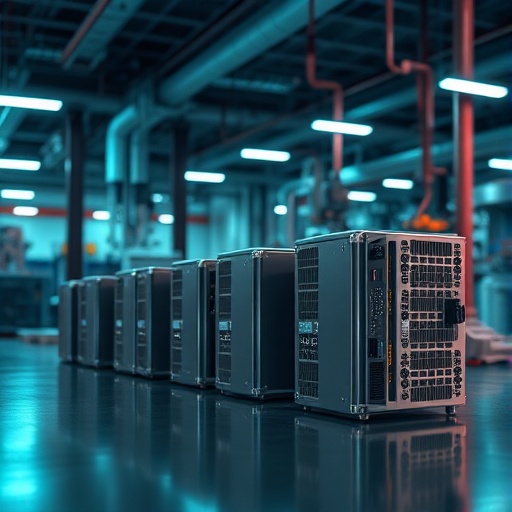
In practical scenarios, din rail DC-DC converters power a wide array of systems, from industrial automation to networked communications, by providing stable DC outputs amid fluctuating inputs. These versatile devices integrate effortlessly into power supply architectures, enhancing connectivity in Ethernet switches and Wi-Fi setups. As industries push for smarter, more connected operations, the role of these converters in bridging voltage gaps becomes critical, ensuring seamless data and power flow without interruptions.
Integration with Power Supply Units
Integrating din rail DC-DC converters with power supply units creates robust, modular systems that distribute precise voltages across multiple loads. A typical setup involves mounting the converter directly on the din rail alongside the main power supply unit, which often converts AC to DC, then feeding the converter's input for further regulation. This cascade approach allows a single 48V power supply to branch into 5V, 12V, or 24V outputs, powering diverse components like sensors and actuators in a chassis.
Such integration shines in control cabinets where space and reliability matter. Searches for "din rail dc dc power converters" and "dc dc din rail" highlight their use in enhancing PSU efficiency. By isolating sections, converters prevent a single fault from cascading, a key advantage in mission-critical environments. For example, in a factory floor setup, the power supply unit delivers bulk DC, while din rail converters fine-tune it for specific PCS, reducing wiring complexity and EMI risks. Adjustable models offer programmable outputs via DIP switches, adapting to evolving needs without hardware swaps. Efficiency gains—often 92% or higher—cut cooling requirements, extending PSU lifespan. In renewable energy tie-ins, they handle variable solar DC inputs, stabilizing them for consistent delivery. Engineers favor this combo for its scalability: add more converters as systems grow, all on the same rail. Ultimately, this integration streamlines power management, boosting uptime and operational agility in dynamic applications.
Role in Automation Systems
Din rail DC-DC converters play a pivotal role in automation systems by supplying clean, regulated power to PLCs, relays, and I/O modules, ensuring precise control in manufacturing lines. Mounted on din rails within automation panels, they convert central DC buses to localized voltages, mitigating drops over long cable runs. This setup powers everything from robotic arms to conveyor sensors, maintaining synchronization without voltage sags that could trigger errors.
In Industry 4.0 contexts, their isolation features protect automation networks from electrical noise, a common issue in motor-heavy environments. Related terms like "din rail dc converters" and "automation" emphasize their fit for SCADA integrations. High surge tolerance—up to 150% overload—handles startup peaks, preventing resets in sequential processes. For instance, a 24V input converter might output 15V for legacy devices, bridging old and new tech seamlessly. Compact designs fit into tight enclosures, supporting dense node deployments in smart factories. Remote monitoring via I2C interfaces in advanced models allows predictive maintenance, reducing downtime by 20%. They also enable redundant power paths, switching to backups during faults for continuous operation. As automation scales with IoT, these converters facilitate edge computing by powering low-voltage gateways. Their DIN compliance ensures interchangeability across vendors, simplifying upgrades. In summary, din rail DC-DC converters underpin reliable automation, driving efficiency and innovation in production workflows.
Supporting Ethernet Switches and Wi-Fi Connectivity
Din rail DC-DC converters support Ethernet switches and Wi-Fi connectivity by delivering stable low-voltage DC to networking gear in industrial settings, where standard power outlets fall short. These converters take a 48V or 24V rail input and step it down to 12V or 5V, powering PoE-enabled switches that transmit data and electricity over cables. In rugged environments, their enclosed design shields against dust and humidity, ensuring uninterrupted network performance.
For Wi-Fi access points, the converters provide isolated outputs to avoid interference, crucial for reliable wireless links in warehouses or offices. Searches such as "ethernet switches" and "wi-fi" alongside "din rail dc dc converters" show their growing use in converged systems. A key benefit: wide input ranges accommodate fluctuating power supplies, maintaining uptime during brownouts. In a typical setup, multiple converters on a din rail feed a rack of switches, each handling 10A loads for high-bandwidth applications. Efficiency above 90% minimizes heat, vital in fanless enclosures. They also integrate with chassis mounts for easy expansion, supporting scalable networks. For PoE applications, converters boost efficiency by preprocessing power before injection, reducing cable losses. Advanced variants include overvoltage protection, safeguarding expensive switches from surges. As connectivity demands rise with 5G and IoT, these devices enable edge deployments, powering remote Wi-Fi nodes without AC infrastructure. Their role extends to hybrid setups, blending wired Ethernet with wireless for comprehensive coverage. Overall, din rail DC-DC converters fortify network reliability, enabling seamless data flow in connected ecosystems.
Technical Specifications and Variations
Technical specs of din rail DC-DC converters vary widely to suit diverse needs, from high-voltage industrial rails to compact PCB integrations. Key parameters like input range, output current, and efficiency define their performance, with variations addressing specific challenges like space constraints or power demands. Understanding these allows engineers to select optimal models for voltage regulation in power supplies, ensuring compatibility and longevity.
Voltage Requirements: 48V and Beyond
Din rail DC-DC converters often specify 48V inputs as a standard for telecom and industrial applications, converting this nominal voltage to lower levels like 12V or 5V with tight regulation—typically ±1% accuracy. Beyond 48V, models handle up to 75V or even 110V DC inputs, ideal for battery systems or solar arrays where voltages fluctuate. Output options span from 3.3V for logic circuits to 24V for actuators, all while maintaining ripple below 50mV for clean power.
These specs make them perfect for 48V power over Ethernet setups, where converters step down for endpoint devices. Terms like "48v" and "voltage" in searches for "din rail voltage converters" underscore this focus. High-voltage tolerance includes protection against transients up to 1.5kV, ensuring safety in noisy environments. Efficiency curves peak at 95% around 48V loads, dropping minimally at extremes. For beyond-48V needs, isolated topologies prevent feedback, crucial in multi-rail systems. Engineers specify based on derating factors—operating at 80% capacity extends MTBF to over 1 million hours. In power supply units, they interface with rectifiers to handle peak currents up to 30A. Customizable via trimmers, outputs adapt to precise requirements without respinning PCBs. As grids evolve, these converters support higher voltages like 400V DC in EVs, bridging to low-voltage loads. Their robust specs enable reliable operation in 85°C ambients, far surpassing consumer-grade DC converters. In essence, 48V and higher requirements drive din rail DC-DC converter innovations, meeting the demands of electrified futures.
Different Types of Din Rail DC-DC Converters
Din rail DC-DC converters come in several types, including non-isolated buck, boost, and buck-boost variants, each tailored to specific voltage conversion needs. Buck types step down higher inputs like 48V to lower outputs, common in power distribution. Boost converters elevate low DC sources, such as 12V batteries to 24V, while buck-boost hybrids handle both, ideal for variable supplies in automation.
Isolated models, using flyback or forward topologies, provide galvanic separation up to 4kV, essential for safety in medical or telecom gear. Searches for "din rail converter variations" and "different types of din rail dc-dc converters" reflect the diversity. Switching regulators dominate, offering efficiency over linear types, with frequencies from 50kHz to 1MHz for reduced size. Chassis-mount options add heatsinking for high-power units up to 500W. For AC-tied systems, some include front-end rectifiers, though pure DC to DC converters focus on DC inputs. Programmable types with digital interfaces allow real-time adjustments via software, suiting smart grids. Enclosed vs. open-frame variations cater to dusty or clean environments, with IP ratings up to 20. Current-limiting and short-circuit protections vary by type, ensuring fault resilience. In practice, selecting the right type—say, a buck for Ethernet power—optimizes system performance. As needs diversify, manufacturers innovate with multi-output converters, powering multiple rails from one unit. These variations empower engineers to match converters precisely to applications, enhancing overall power supply efficacy.
Low Profile and Miniature Options
Low profile and miniature din rail DC-DC converters pack high power into slim designs, often under 25mm tall, fitting into shallow panels or dense PCB layouts. These compact units deliver 10-50W outputs while maintaining full din rail compatibility, ideal for space-limited chassis in automation cabinets. Miniature variants shrink to 40x20mm footprints, converting 24V to 5V with efficiencies over 90%, perfect for powering small sensors or IoT nodes.
Related queries like "low profile din rail dc dc converters" and "miniature din rail dc dc converters" highlight their appeal for modern enclosures. Low-profile models use advanced SMD components on PCBs to reduce height, without sacrificing thermal performance via natural convection. They handle transients up to 50V spikes, suiting unstable DC supplies. For Ethernet switches, miniature converters provide isolated 12V outputs in PoE chains, minimizing cable bundles. Customization options include pin headers for PCB integration alongside rail mounting. Operating ranges extend to -40°C, with MTBF exceeding 2 million hours for reliability. In Wi-Fi base stations, their small size enables distributed power, reducing central PSU loads. Efficiency curves ensure low self-heating, crucial in sealed environments. Compared to bulkier types, these options cut material costs by 15-20% while boosting modularity—snap multiple minis onto a rail for scalable power. Innovations like integrated fuses add protection without extra space. As connectivity densifies, low profile and miniature din rail DC-DC converters enable sleeker, more efficient designs, revolutionizing compact power solutions.
The Future of Connectivity with Din Rail DC-DC Converters
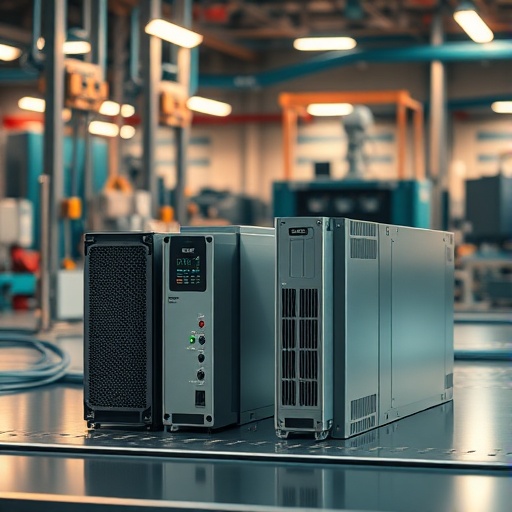
Looking ahead, din rail DC-DC converters will drive connectivity advancements by enabling efficient power delivery in PoE, smart grids, and beyond. As networks expand, these converters adapt to higher data rates and renewable integrations, ensuring voltage stability amid increasing complexity. Their evolution promises smarter, greener power ecosystems.
Impact on Power Over Ethernet (PoE)
Din rail DC-DC converters profoundly impact Power over Ethernet (PoE) by preprocessing and regulating voltages for injectors and switches, allowing seamless data and power transmission over single cables. In PoE systems, they convert 48V DC to the precise levels needed for endpoints like IP cameras or VoIP phones, supporting standards up to PoE++ (90W). Mounted on din rails in central cabinets, they distribute power efficiently, reducing infrastructure costs by eliminating separate outlets.
As "power over ethernet" and "poe" trend in related searches, their role in high-density networks grows. Converters with high isolation handle multi-pair powering, minimizing crosstalk in Cat6 cables. Efficiency above 93% cuts energy waste, aligning with green data centers. For Wi-Fi APs, they enable remote powering over 100m runs, extending coverage without AC drops. Future PoE evolutions, like 4-pair delivery, rely on advanced switching regulators in these converters for faster response times. Integration with Ethernet switches allows dynamic power allocation, adjusting to device needs via software. Protection features like overcurrent shutdown prevent cascade failures in large deployments. In industrial PoE, rugged variants withstand EMI from motors, ensuring reliable connectivity. Scalability shines: parallel converters boost capacity for 100+ devices. As 5G merges with PoE, they support higher voltages like 55V, future-proofing installs. Overall, din rail DC-DC converters elevate PoE from convenience to cornerstone, fostering ubiquitous wired connectivity.
Advancements in Switching Regulators
Advancements in switching regulators propel din rail DC-DC converters toward ultra-high efficiencies and smarter controls, incorporating GaN transistors for frequencies up to 2MHz and reduced losses. These regulators enable smaller magnetics and capacitors on PCBs, shrinking converter sizes while handling 100W+ powers. Digital feedback loops replace analog, allowing adaptive algorithms that optimize for load profiles in real-time.
Keywords like "switching regulators" and "dc to dc converters" capture the excitement around these innovations. In automation, they respond to transients in nanoseconds, stabilizing power for high-speed PLCs. Efficiency hits 98% in resonant modes, slashing heat in enclosed chassis. For 48V systems, soft-switching techniques minimize EMI, easing compliance. Programmable via USB or Ethernet, they integrate with IoT for remote tuning. Hybrid topologies combine buck and LLC for wide-range inputs, suiting renewables. Cost drops with silicon carbide adoption, making high-end features accessible. In PoE, they enable power sourcing equipment with precise budgeting, supporting UPoE. Future iterations predict AI-driven regulation, anticipating loads from network data. Durability improves with self-healing capacitors, targeting 10-year lifespans. As connectivity surges, these advancements ensure din rail converters remain agile, powering next-gen devices with unmatched precision and economy.
The Role of DC-DC Converters in Smart Grids
DC-DC converters, especially din rail-mounted variants, anchor smart grids by interfacing DC renewables like solar panels with AC grids, converting variable outputs to stable levels for storage or distribution. In microgrids, they regulate battery voltages—say, 48V to 400V—for efficient charging, enabling bidirectional flow in home energy systems. Their isolation protects against grid faults, ensuring safe integration of EVs and distributed generation.
Terms such as "smart grids" and "dc-dc converter" in searches highlight their grid-stabilizing potential. High-power models handle 10kW peaks, supporting community solar setups on din rails in substations. Efficiency curves optimize for partial loads, reducing losses in intermittent sources. Digital controls synchronize with grid signals, enabling demand response. In urban grids, compact converters power smart meters from low-voltage rails, enhancing data accuracy. Future roles include vehicle-to-grid (V2G), where they manage DC fast charging without AC intermediaries. Resilience features like wide input tolerance (18-72V) cope with outages, islanding seamlessly. Scalable arrays on rails allow modular expansions as grids evolve. Environmental benefits: lower conversion stages cut CO2 by 20% in DC-heavy systems. Collaborations with utilities push standards for interoperability. As smart grids decentralize, din rail DC-DC converters democratize clean power, fostering resilient, connected energy infrastructures.
See Also
- Unlocking the Power of 48V Systems with Din Rail DC-DC Converters
- Understanding the Role of DC-DC Converters in Power Over Ethernet Solutions
- Maximize Efficiency with Compact Din Rail DC-DC Converters for Modern Automation
- Exploring the Versatility of Din Rail DC-DC Converters for Industrial Applications