The Essential Guide to Choosing Rubber Products for Pulp and Paper Applications
Understanding the Role of Rubber Products in the Pulp and Paper Industry
Importance of Rubber in Pulp and Paper Processing
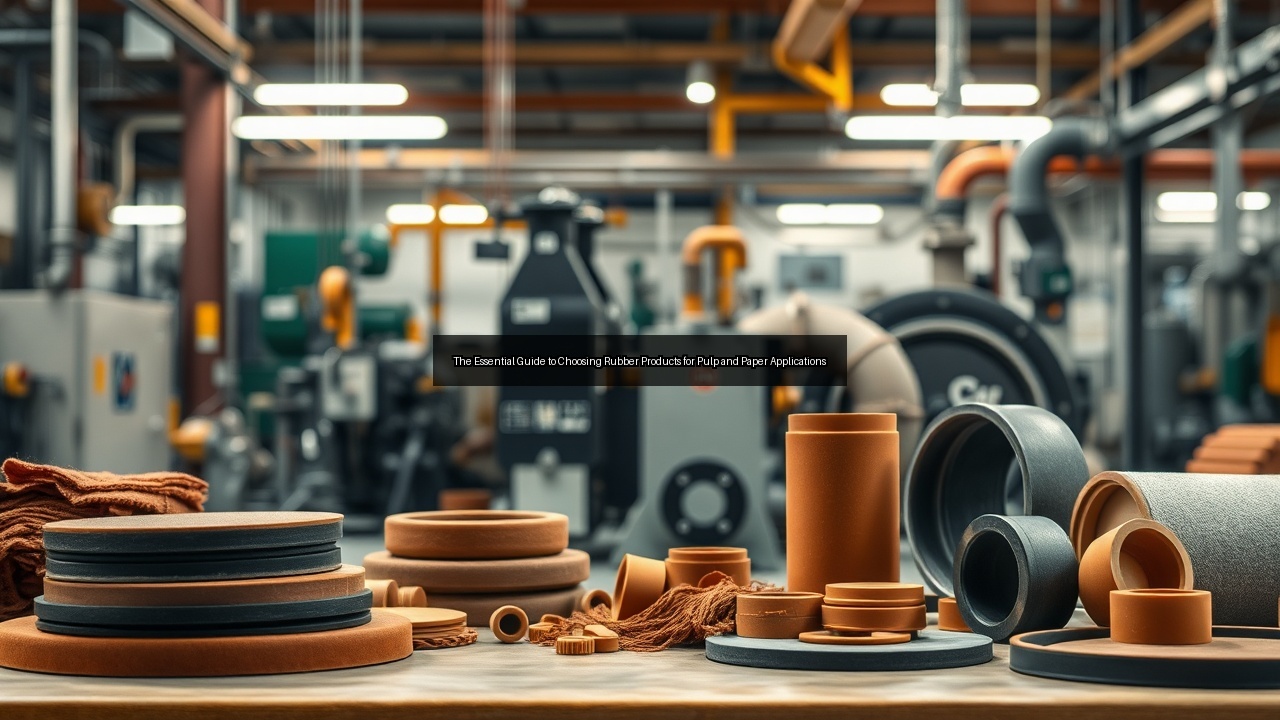
Rubber products for the pulp & paper industry deliver essential sealing and cushioning functions that keep high-speed machinery running smoothly. These components handle constant exposure to moisture, heat, and mechanical stress during pulping, bleaching, and papermaking stages. Natural rubber offers strong elasticity that absorbs vibration in rollers and presses. Manufacturers rely on rubber to prevent leaks that could contaminate paper stock or damage equipment. Effective rubber integration reduces downtime and extends service life of critical machines across the entire production line.
Operators notice immediate gains when they install properly formulated rubber parts that resist abrasion from wood fibers and slurries. Pulp and paper industry rubber products also support consistent output quality by maintaining tight tolerances in moving assemblies. Without reliable rubber, production lines face frequent interruptions from seal failures or material degradation. Companies that prioritize quality rubber see measurable improvements in throughput and lower maintenance costs over time.
Common Rubber Products Used in the Industry
Gaskets form the backbone of fluid containment systems throughout pulp and paper mills. They seal pipe joints, tank lids, and pump housings against aggressive process fluids. Stoppers close off vacuum lines during maintenance or testing procedures, while a single stopper can isolate sections without halting the whole operation. Switches incorporate rubber boots and actuators that protect electrical contacts from dust and moisture. These everyday items appear in control panels, conveyor systems, and finishing equipment where reliability matters most.
Additional rubber products for paper industry applications include custom-molded diaphragms and vibration pads that protect sensitive instrumentation. Pulp and paper industry rubber products appear in every department from wood preparation to coating stations. Facilities stock multiple sizes of gaskets and stoppers to match diverse equipment specifications. Proper selection of these components directly influences uptime and safety records in demanding mill environments.
Types of Rubber Materials for Pulp and Paper Applications
Natural Rubber: Advantages and Limitations
Natural rubber provides excellent tensile strength and rebound properties that suit dynamic applications such as press rolls and conveyor belts. Mills value its ability to grip surfaces without slipping even when wet. However, natural rubber degrades quickly when exposed to oils, ozone, and certain chemicals common in bleaching stages. Temperature limits also restrict its use near high-heat dryers or steam lines. Operators often combine natural rubber with protective coatings to extend service intervals in less aggressive zones.
Cost remains attractive for natural rubber in short-term or low-exposure roles. Yet frequent replacement cycles offset initial savings when harsh chemicals accelerate cracking. Facilities track performance data to decide where natural rubber still outperforms newer compounds. Many plants reserve it for non-critical gaskets and vibration mounts where flexibility outweighs chemical demands.
EPDM: Ethylene Propylene Diene Monomer Rubber Properties
EPDM delivers outstanding resistance to water, steam, and polar chemicals that dominate pulp processing. Ethylene propylene diene monomer rubber maintains flexibility across wide temperature ranges without hardening or softening excessively. Its saturated backbone resists ozone and ultraviolet exposure better than many alternatives. Mills specify EPDM gaskets and seals for washer drums, stock chests, and effluent treatment areas. The material also handles repeated compression cycles without permanent set.
Formulators adjust EPDM grades to match exact chemical profiles found in each mill. Higher diene content improves curing speed during manufacturing of complex shapes such as stoppers and switch covers. EPDM parts often outlast natural rubber equivalents by two to three times in wet-end positions. Plants standardize on ethylene propylene diene monomer rubber for most new installations because of predictable long-term behavior.
Comparative Analysis of Natural Rubber and Synthetic Rubber
Natural rubber excels in tear resistance and low-temperature flexibility, yet synthetic options like EPDM provide superior chemical stability. Pulp and paper industry rubber products made from synthetic rubber withstand repeated contact with acids, alkalis, and oxidizing agents without swelling. Natural rubber costs less upfront but requires more frequent inspection and replacement. Synthetic compounds justify higher initial prices through reduced downtime and fewer contamination events.
Engineers compare compression set, elongation, and permeation rates when matching materials to specific machine sections. EPDM dominates vacuum applications where a reliable stopper must hold seal integrity for hours. Natural rubber still appears in non-chemical zones where pure mechanical cushioning is the priority. Final choices depend on documented exposure profiles rather than general assumptions.
Key Rubber Products and Their Applications
Gaskets: Ensuring Seals in Pulp and Paper Equipment
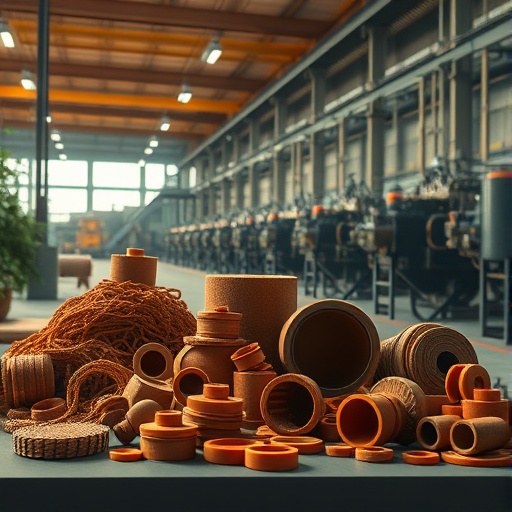
Gaskets maintain pressure boundaries in pumps, valves, and heat exchangers that move corrosive liquors and steam. Proper material selection prevents leaks that could damage bearings or create slip hazards. EPDM gaskets resist the full range of process chemicals while natural rubber versions suit water-only lines. Installation torque and surface finish directly affect sealing performance and service life. Mills maintain detailed gasket inventories organized by size, thickness, and compound.
Regular inspection programs catch early signs of extrusion or chemical attack before failures occur. Upgraded gasket designs incorporate metal reinforcements that handle higher pressures in modern continuous digesters. Reliable gaskets contribute to overall plant safety and environmental compliance by containing hazardous fluids. Procurement teams evaluate supplier consistency to avoid batch-to-batch variations that compromise seal integrity.
Stoppers: Applications in Vacuum Systems
Stoppers isolate vacuum zones during filter cleaning or line modifications without depressurizing entire systems. A well-designed stopper maintains seal under negative pressure while resisting collapse from atmospheric force. EPDM formulations predominate because they retain elasticity after repeated insertion and removal cycles. Operators appreciate color-coded stoppers that speed identification during shift changes. Proper sizing ensures complete blockage without damaging pipe interiors.
Vacuum applications demand low gas permeability that only certain rubber grades deliver consistently. Mills document stopper performance to refine replacement schedules and reduce unscheduled outages. Custom-molded stoppers accommodate non-standard port dimensions found on older equipment still in service. Quality stoppers protect vacuum pumps from sudden air inrushes that cause mechanical stress.
Switches: Rubber Components in Machine Operation
Switch assemblies rely on rubber boots and plungers to shield contacts from conductive dust and liquid splash. Cat equipment and control stations throughout the mill use these protected switches to start motors, open valves, and trigger alarms. Rubber compounds must remain flexible at low temperatures yet resist hardening from ozone generated by motors. EPDM covers provide long-term durability in both indoor and outdoor installations.
Designers select specific durometer ratings so operators receive clear tactile feedback without excessive force. Replacement of worn switch rubber prevents false signals that disrupt automated sequences. Integrated rubber gaskets around switch bodies further block contaminants from reaching terminal blocks. Consistent quality in these small components supports overall process reliability across large facilities.
Selecting the Right Rubber Products for Specific Needs
Factors to Consider When Choosing Rubber Products
Operating temperature, pressure cycles, and mechanical loads guide initial material screening. Chemical exposure profiles determine whether natural rubber or EPDM offers adequate resistance. Physical dimensions must match existing hardware to avoid custom machining. Suppliers provide technical datasheets that list hardness, elongation, and volume swell values for each compound. Procurement teams cross-reference these values against actual mill conditions before approval.
Lead time and minimum order quantities also influence decisions when urgent repairs arise. Standardized rubber products for the pulp & paper industry reduce inventory complexity across multiple sites. Engineers conduct field trials on new compounds to verify performance claims under real operating stresses. Documentation of past failures helps avoid repeating material mismatches in future projects.
Evaluating Chemical Resistance for Pulp and Paper Environments
Chlorine dioxide, sodium hydroxide, and hydrogen peroxide attack many rubber types within weeks. EPDM maintains low swell rates in these media while natural rubber shows rapid degradation. Accelerated aging tests simulate years of exposure in days to rank candidate materials. Volume change measurements after immersion provide quantitative data for comparison. Mills maintain chemical resistance charts specific to each production area.
Consultation with compounders ensures additives enhance resistance without sacrificing mechanical properties. Regular sampling of in-service parts confirms laboratory predictions match actual degradation rates. Proper evaluation prevents costly emergency shutdowns caused by unexpected seal failures. Updated resistance data supports continuous improvement in rubber product specifications.
Cost vs. Quality: Finding the Balance
Premium compounds cost more initially but deliver longer intervals between replacements. Lower-grade rubber may save money at purchase yet generate higher total ownership costs through repeated failures. Life-cycle analysis includes labor for installation, lost production during repairs, and disposal fees. EPDM gaskets and stoppers often provide the best balance in chemical-intensive zones. Natural rubber remains economical where exposure stays mild.
Supplier partnerships that include technical support reduce risk when introducing new rubber products for pulp industry use. Bulk purchasing agreements lower unit prices without compromising compound quality. Tracking failure frequency against material grade reveals the true economics of each choice. Balanced decisions protect both budgets and production targets over multiple years.
Future Trends in Rubber Products for the Pulp and Paper Industry
Innovations in Rubber Materials
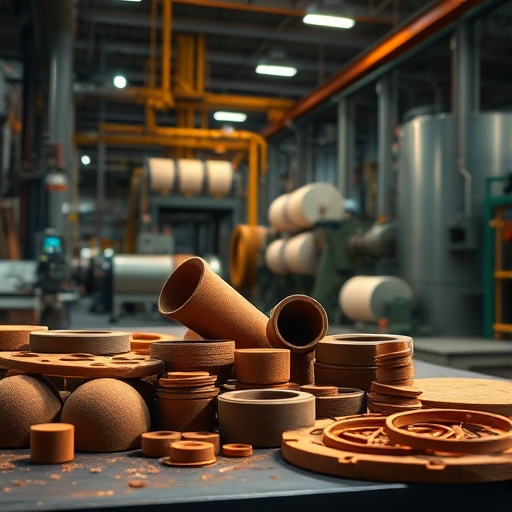
Advanced polymer blends combine EPDM with specialized fillers to boost abrasion resistance without sacrificing chemical stability. Nanostructured additives improve tear strength and reduce gas permeability for demanding vacuum applications. Self-healing rubber formulations show promise for extending gasket life in remote or hard-to-access locations. These developments respond directly to increasing production speeds and stricter uptime requirements.
Compounders now tailor ethylene propylene diene monomer rubber grades for specific mill chemistries rather than generic specifications. Rapid prototyping accelerates validation of new stopper and switch designs. Continuous material improvements help pulp and paper industry rubber products keep pace with evolving process conditions.
Sustainability in Rubber Product Manufacturing
Recycled content in rubber compounds reduces virgin polymer demand while maintaining performance standards. Bio-based plasticizers replace petroleum derivatives in select EPDM formulations. Closed-loop manufacturing recovers scrap from gasket and stopper production for reuse. Mills increasingly request environmental product declarations that document carbon footprint and recyclability.
Longer-lasting rubber components lower overall waste generation by reducing replacement frequency. Suppliers invest in energy-efficient curing processes that cut emissions during manufacturing. Sustainability metrics now join traditional performance criteria when evaluating rubber products for the pulp & paper industry.
The Impact of Technology on Rubber Applications
Sensor-embedded gaskets provide real-time data on seal compression and temperature, enabling predictive maintenance. Digital twins simulate rubber behavior under varying chemical loads before physical installation. Automated inspection systems detect early surface cracking on stoppers and switch covers during routine shutdowns. These technologies shift maintenance from reactive to proactive strategies.
3D printing of custom rubber prototypes shortens development cycles for specialized vacuum components. Integrated data platforms track performance of every gasket and stopper across the facility. Technology adoption strengthens the reliability and efficiency of rubber products for pulp industry operations well into the future.