How Engineers Can Optimize Gearbox Design for Better Performance
Understanding Gearbox Design and Its Impact on Performance
The Role of Gearboxes in Power Transmission
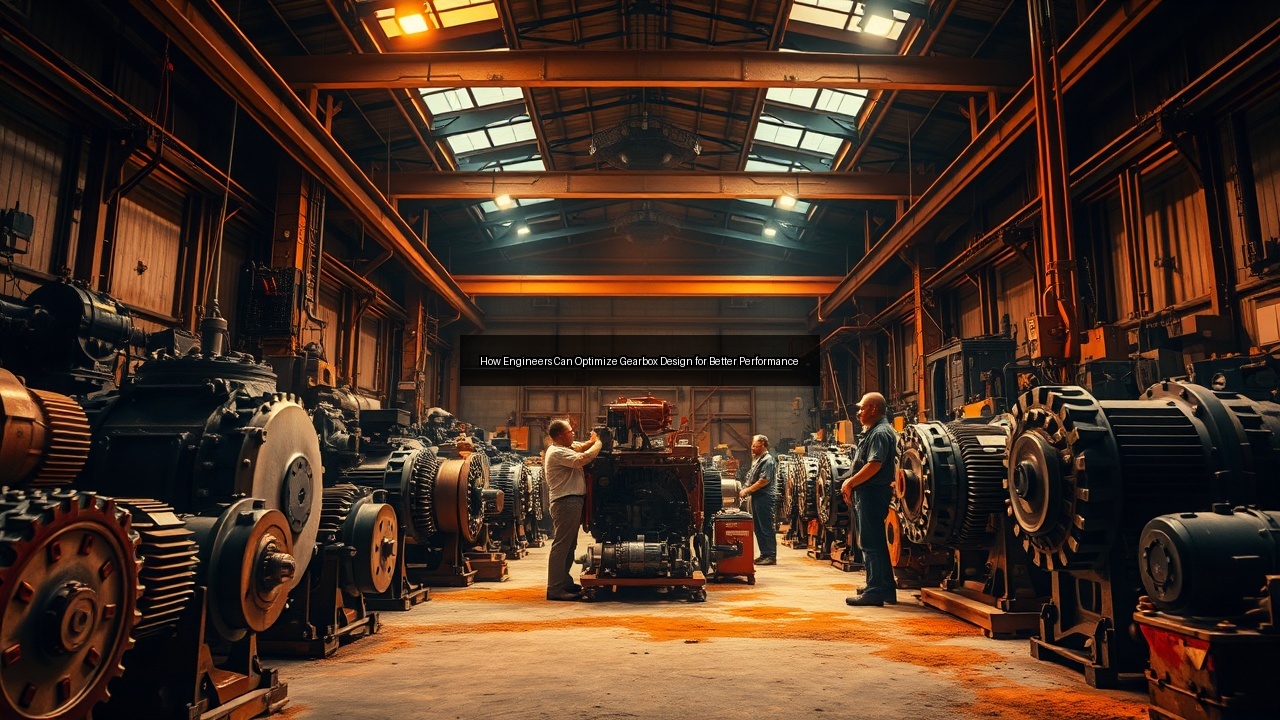
Gearboxes play a critical role in power transmission systems, facilitating the transfer of mechanical energy from one component to another. They convert input speed into output speed while altering torque levels to meet specific operational requirements. Engineers design gearboxes to ensure that machinery operates efficiently, providing the necessary force to drive various industrial applications. A well-designed gearbox optimizes energy use, reduces wear and tear on components, and extends the lifespan of equipment. The efficiency of a gearbox directly influences overall system performance, making its design a focal point for engineers aiming to enhance productivity and reduce operational costs.
Influence of Gear Design on Efficiency and Torque
The design of gears within a gearbox significantly impacts both efficiency and torque. Properly designed gears minimize friction, allowing for smoother rotation and reduced energy loss. Engineers must consider factors such as gear tooth shape, material selection, and gear ratios to maximize performance. For example, helical gears often provide better efficiency compared to spur gears due to their angled teeth, which engage gradually. High-efficiency gear designs ensure that the maximum amount of input power translates into usable output power, maintaining torque levels essential for various applications. This attention to detail in gear design leads to improved overall performance and lower operational costs.
Types of Gearboxes: Worm Gear vs. Reducer
When selecting a gearbox, engineers often choose between different types, such as worm gears and reducers. Worm gears excel in applications requiring high torque at low speeds, providing a compact solution with a high reduction ratio. They offer self-locking properties, making them suitable for vertical lifts or conveyor systems. On the other hand, reducers, particularly planetary and helical types, provide high efficiency and speed ratios, making them ideal for dynamic applications like robotics and automotive systems. Understanding the strengths and weaknesses of each gearbox type allows engineers to make informed choices, optimizing performance for specific tasks while ensuring reliability and durability.
Best Practices for Optimizing Gearbox Performance
Incorporating Advanced Technology in Design
To enhance gearbox performance, engineers increasingly incorporate advanced technology into their designs. Computer-aided design (CAD) and simulation tools allow for precise modeling, enabling engineers to analyze gear interactions, stress points, and the overall mechanical behavior of gearboxes. This level of analysis facilitates the identification of potential issues before production, allowing for adjustments that can greatly enhance efficiency. Additionally, the use of additive manufacturing (3D printing) enables the rapid prototyping of complex gear shapes that traditional manufacturing methods cannot achieve. By leveraging technology, engineers can create innovative gearbox designs that push the boundaries of efficiency and performance.
Routine Maintenance: Lubrication and Inspection
Routine maintenance is vital for the longevity and efficiency of industrial gearboxes. Regular lubrication minimizes friction and wear, ensuring smooth operation and preventing overheating. Engineers should establish a lubrication schedule based on operating conditions, using high-quality oils or greases that meet manufacturer specifications. Additionally, routine inspections play a crucial role in identifying potential issues before they escalate. Checking for signs of wear, unusual noises, or temperature fluctuations can help engineers detect problems early, allowing for timely intervention. This proactive approach to maintenance not only extends the lifespan of gearboxes but also enhances overall system reliability.
Addressing Environmental Factors: Dust and Vibration
Environmental factors such as dust and vibration have significant impacts on gearbox performance. Dust accumulation can lead to contamination of lubricants, increasing wear and reducing efficiency. Engineers should implement protective measures, including sealed enclosures and regular cleaning protocols, to mitigate these risks. Vibration also poses a threat to gearbox integrity, potentially causing misalignment and premature failure. Engineers can use vibration analysis tools to monitor performance and identify abnormal patterns. By addressing these environmental challenges, engineers can ensure that gearboxes operate at optimal levels, maintaining efficiency and reducing the likelihood of costly repairs. gearbox maintenance for industry
Common Failures in Gearboxes and How to Prevent Them
Identifying Early Signs of Gearbox Failure
Identifying early signs of gearbox failure is crucial for maintaining industrial operations. Engineers should be vigilant for symptoms such as unusual noises, overheating, and changes in vibration patterns. These indicators often signal underlying issues, including misalignment, inadequate lubrication, or gear wear. By implementing monitoring systems that track these parameters, engineers can detect deviations from normal operating conditions. Regular inspections and condition assessments enhance early detection capabilities, allowing for prompt maintenance actions. Addressing these signs early can prevent catastrophic failures, ensuring the gearbox remains functional and efficient.
The Importance of Regular Industrial Gearbox Service
Regular industrial gearbox service is essential for maintaining performance and reliability. Scheduled servicing allows engineers to conduct thorough inspections, replace worn components, and ensure proper lubrication. This routine maintenance helps prevent unexpected equipment failures that can lead to costly downtime. Additionally, servicing provides an opportunity to assess the overall health of the gearbox, allowing for adjustments that enhance efficiency. Engineers should develop a comprehensive service plan tailored to specific operational needs, including frequency and scope of maintenance tasks. This proactive approach to servicing can significantly reduce the risk of failures and extend the lifespan of gearboxes.
Strategies for Minimizing Downtime during Repairs
Minimizing downtime during gearbox repairs is critical for maintaining productivity in industrial settings. Engineers should establish a robust repair strategy that includes proper planning, spare part inventory management, and technician training. Quick access to replacement parts reduces repair times, while skilled technicians can diagnose and fix issues more efficiently. Implementing predictive maintenance techniques can also help anticipate failures, allowing for scheduled repairs that minimize disruption to operations. By focusing on these strategies, engineers can keep gearboxes in optimal condition while ensuring that production schedules remain on track.
Expert Insights on Gearbox Maintenance Strategies
Recommendations from Industry Experts
Industry experts gearbox maintenance for industry emphasize the importance of a proactive approach to gearbox maintenance. They recommend establishing a regular inspection and maintenance routine tailored to specific operational conditions. Utilizing advanced monitoring techniques, such as vibration analysis and thermal imaging, can provide valuable insights into gearbox health. Experts also advocate for investing in high-quality lubricants and components, as these enhance overall performance and reduce the likelihood of failures. By following expert recommendations, engineers can optimize gearbox performance and ensure long-term reliability in their systems.
Case Studies: Successful Gearbox Optimization
Numerous case studies highlight successful gearbox optimization efforts across various industries. In one instance, a manufacturing facility implemented advanced monitoring technology that significantly reduced unplanned downtime. By analyzing vibration data, the facility identified and addressed potential issues before they led to failures. Another case involved a transportation company that redesigned its gearbox system, switching from traditional spur gears to helical gears. This change resulted in improved efficiency and reduced noise levels during operation. These case studies illustrate the tangible benefits of optimizing gearbox design and maintenance practices, showcasing the potential for enhanced performance in real-world applications.
Future Trends in Gearbox Design and Maintenance
The future of gearbox design and maintenance lies in the integration of smart technology and automation. As industries increasingly adopt Industry 4.0 principles, gearboxes will benefit from enhanced monitoring capabilities, enabling real-time data analysis and predictive maintenance. Engineers will likely focus on creating more lightweight, durable materials that improve efficiency while reducing energy consumption. Additionally, the development of advanced lubrication systems that self-regulate will further enhance gearbox performance. These trends signal a shift towards more intelligent, efficient, and sustainable gearbox solutions in the engineering landscape, promising to revolutionize industrial operations.