How Contract Manufacturers Ensure Safety and Compliance in Supplements
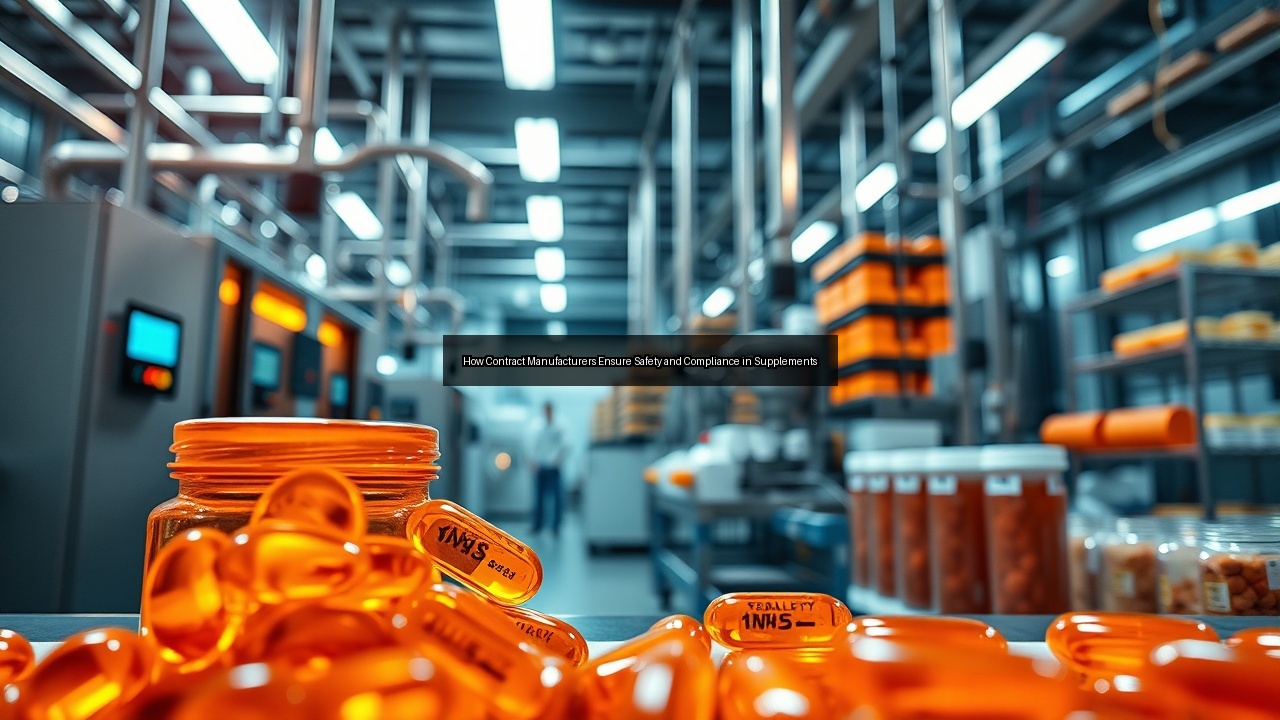
The Role of Contract Supplement Manufacturers in Ensuring Safety
Understanding Quality Controls in Supplement Manufacturing
Contract supplement manufacturers play a crucial role in ensuring the safety and efficacy of dietary supplements. They implement rigorous quality controls throughout the manufacturing process to guarantee that products meet the highest standards. Quality controls encompass a series of systematic processes and procedures designed to monitor and evaluate every aspect of production. This includes the selection of raw materials, monitoring of production practices, and testing of finished products. Manufacturers use stringent quality control measures to detect any potential contaminants or deviations from specified formulations, ensuring that supplements are safe for consumer consumption.
By employing these controls, contract manufacturers provide a safeguard against errors that could compromise product integrity. The use of advanced technologies, such as analytical testing and stability studies, ensures that each batch of supplements adheres to the required specifications. This proactive approach not only protects consumers but also helps manufacturers maintain their reputation in the competitive supplement market.
Importance of Good Manufacturing Practices (GMP)
Good Manufacturing Practices (GMP) serve as the backbone of supplement production, ensuring that contract manufacturers adhere to strict guidelines for quality and safety. GMP covers all aspects of production, from the initial formulation to the final packaging of dietary supplements. Compliance with these practices minimizes risks and establishes a consistent manufacturing environment, which is essential for delivering safe products to consumers. Contract manufacturers implement GMP by training staff, maintaining clean facilities, and ensuring proper documentation of every stage of production.
GMP certification not only enhances consumer confidence but also meets regulatory requirements set by governing bodies. Manufacturers that follow GMP guidelines demonstrate their commitment to quality, which can significantly impact their market standing. Furthermore, GMP compliance helps in minimizing product recalls due to contamination or labeling errors, ultimately protecting both the manufacturer and consumers. This rigorous approach to quality assurance fosters trust among stakeholders and promotes long-term business relationships.
Regulatory Compliance and Its Impact on Safety
Regulatory compliance is vital for contract supplement manufacturers, as it ensures that products meet the safety and efficacy standards mandated by governmental agencies. These regulations vary by region but generally encompass guidelines regarding ingredient safety, labeling accuracy, and manufacturing practices. Adhering to these regulations not only protects consumers but also shields manufacturers from legal repercussions. Contract manufacturers must stay informed about evolving regulations, as non-compliance can lead to severe penalties, including product recalls and loss of market access.
Incorporating regulatory compliance into the manufacturing process involves thorough documentation and regular audits. Manufacturers must maintain records of ingredient sourcing, production methods, and laboratory testing results to demonstrate compliance. This transparency helps foster consumer trust and enhances the overall credibility of the supplement industry. Moreover, a commitment to regulatory compliance showcases a manufacturer's dedication to safety and quality, which can significantly influence consumer purchasing decisions.
Innovative Dosage Forms and Their Compliance Challenges
Exploring Effervescent Tablets and Safety Standards
Effervescent tablets have gained popularity in the supplement industry due to their convenience and palatability. These dosage forms dissolve in water, releasing carbon dioxide and creating a fizzy solution that is easy to consume. However, the unique characteristics of effervescent tablets present specific compliance challenges for contract manufacturers. The formulation must balance active ingredients with effervescent agents while ensuring stability and safety. Manufacturers must conduct extensive stability testing to confirm that the effervescent reaction does not compromise the efficacy of the active ingredients over time.
Moreover, compliance with safety standards for effervescent tablets involves careful consideration of packaging materials and labeling. The packaging must protect the product from moisture and air, which can negatively affect its stability. Additionally, accurate labeling is crucial to inform consumers about dosage, potential allergens, and storage conditions. By navigating these challenges effectively, contract supplement manufacturers can deliver safe and appealing effervescent products that meet consumer expectations.
Benefits of Orally Disintegrating Tablets (ODT)
Orally disintegrating tablets (ODTs) represent another innovative dosage form that enhances supplement consumption. ODTs dissolve quickly in the mouth without the need for water, making them an attractive option for individuals who struggle with swallowing traditional tablets. This convenience encourages adherence to supplement regimens, ultimately promoting better health outcomes. However, the manufacturing of ODTs requires a specialized approach to ensure they meet safety and compliance standards.
Contract manufacturers face unique challenges when producing ODTs, particularly in achieving the desired disintegration time while maintaining the stability of active ingredients. Quality control measures must focus on the selection of excipients that facilitate rapid disintegration without compromising taste or texture. Furthermore, ODTs require specific packaging solutions to protect them from humidity and contamination. By addressing these challenges, contract supplement manufacturers can create effective ODTs that cater to consumer needs while adhering to regulatory standards.
The Role of Gel Forms in Supplement Manufacturing
Gel forms, including gels, gummies, and soft chews, have gained traction in the supplement market, primarily due to their appealing texture and taste. These products offer a delightful alternative to traditional tablets and capsules, making them particularly popular among children and those seeking a more enjoyable supplement experience. However, the manufacturing of gel forms presents distinct challenges related to safety and compliance. Contract manufacturers must ensure that the gelatin or pectin used in these products complies with dietary regulations and safety standards.
Additionally, maintaining the stability of active ingredients in gel forms requires careful formulation and quality control. Manufacturers must conduct rigorous testing to ensure that the gel maintains its integrity over its shelf life, as well as confirm that the product remains free from microbial contamination. Proper labeling is also essential for gel products, providing clear information about active ingredients, dosage, and potential allergens. By overcoming these challenges, contract supplement manufacturers can contribute to the growing market for gel forms, ensuring that they are safe, effective, and compliant with industry standards.
Inventory Management and Sustainability in Supplement Production
Strategies for Effective Inventory Control
Effective inventory management is a cornerstone of successful supplement manufacturing. Contract supplement manufacturers must balance supply and demand while minimizing waste and ensuring product freshness. Implementing advanced inventory control systems allows manufacturers to track raw materials and finished products with precision, reducing the risk of stockouts or overstock situations. Techniques such as Just-In-Time (JIT) inventory and First-In, First-Out (FIFO) help optimize inventory turnover and maintain product quality.
Moreover, proper inventory management contributes to overall operational efficiency. By accurately forecasting demand and analyzing sales trends, manufacturers can make informed decisions about production schedules and raw material procurement. This proactive approach minimizes excess inventory costs and enhances profitability. Effective inventory management also supports compliance with regulatory requirements, as manufacturers can maintain accurate records of ingredient sourcing and product distribution.
Sustainable Practices in Contract Manufacturing
Sustainability has become a pressing concern in the supplement industry, and contract manufacturers are increasingly adopting eco-friendly practices. These practices not only appeal to environmentally-conscious consumers but also contribute to long-term cost savings. Manufacturers can implement sustainable sourcing strategies by selecting raw materials from responsible suppliers and utilizing renewable resources. Additionally, optimizing production processes to reduce energy consumption and waste generation demonstrates a commitment to sustainability.
Incorporating sustainable packaging solutions also plays a crucial role in minimizing environmental impact. Manufacturers can explore biodegradable or recyclable packaging options to reduce waste and environmental footprint. By prioritizing sustainability, contract supplement manufacturers can differentiate themselves in a competitive market while meeting consumer demand for eco-friendly products. This commitment not only enhances brand loyalty but also contributes to a healthier planet.
Balancing Cost and Compliance in Supplement Production
Balancing cost and compliance is a significant challenge for contract supplement manufacturers. While maintaining high safety and quality standards is essential, manufacturers must also keep production costs in check to remain competitive. This challenge requires strategic planning and resource allocation. Manufacturers can achieve cost efficiency by streamlining production processes, investing in technology, and optimizing supply chains. However, cutting corners on compliance can lead to costly recalls, legal issues, and reputational damage.
Ultimately, successful contract supplement manufacturers recognize that compliance is not merely an expense but an investment in long-term success. By fostering a culture of quality and compliance, manufacturers can enhance operational efficiency, minimize risks, and build consumer trust. In an industry where safety and quality are paramount, balancing cost and compliance remains a vital component of sustainable success.